Shoe Dog
The other day, I was walking through a mall, and I spotted an Onitsuka Tiger store. Just a few weeks ago, I would have walked right past it without a second thought. But now, I know exactly what that store represents.
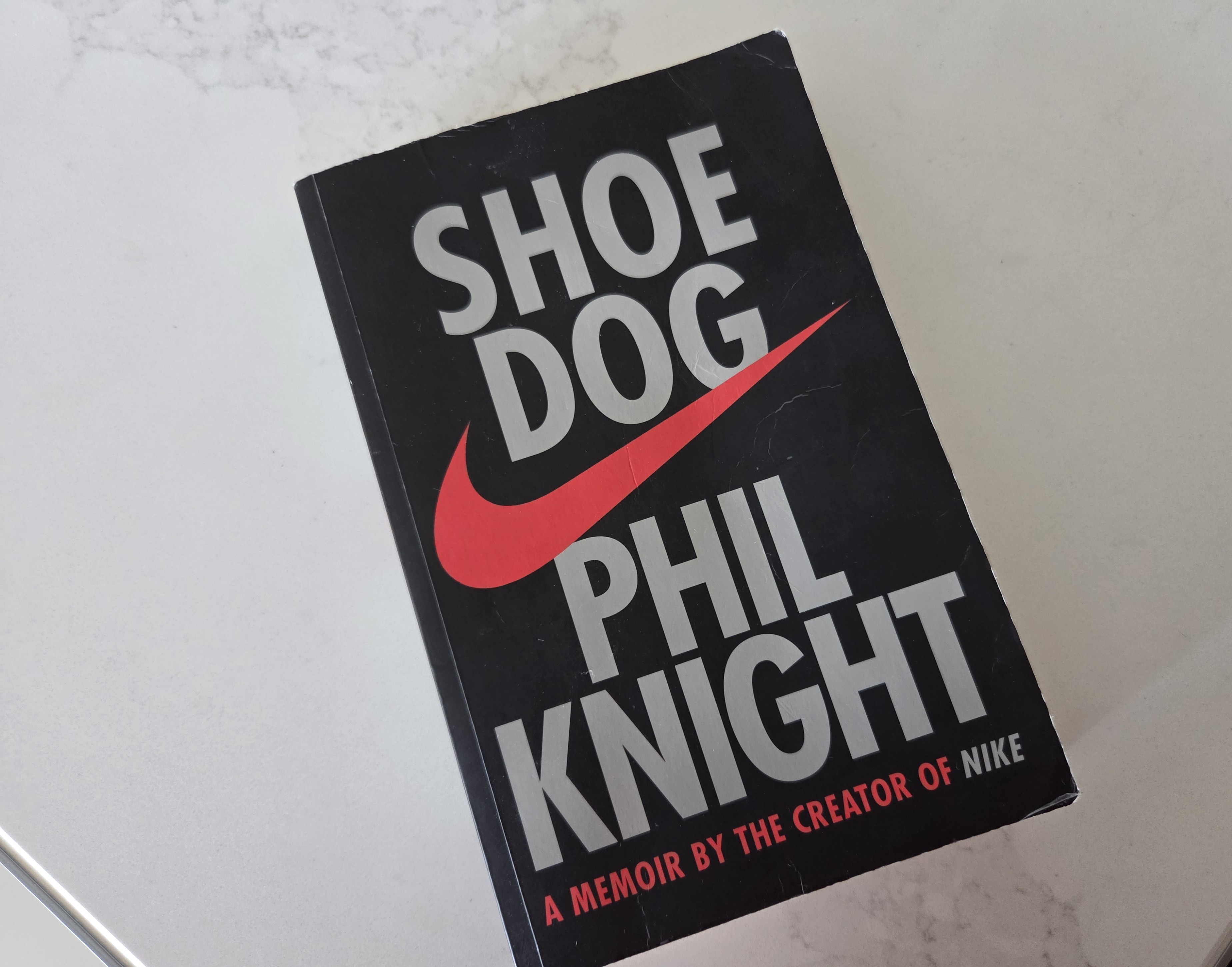
I just finished reading Shoe Dog—the memoir by the creator of Nike, Phil Knight. In it, he shares the story of how he built the company, the obstacles he faced, and how Nike barely kept its head above water for years—even while making millions. It’s a raw look at what he had to sacrifice to make the brand a success.
As it turns out, Onitsuka Tiger is the very shoe that started the Nike we know and love today. To give you a little background: Phil was obsessed with running. His favorite shoes were “Tigers”—Japanese athletic footwear. When he decided to start his own shoe company, he began by importing and reselling them in the U.S. before he and his co-founders eventually moved on to creating their own brand.
The book is incredibly inspiring. I read it in one sitting; I found something deeply relatable in Knight’s character. His persistence and his refusal to give up, combined with the deep pain he felt after every setback—for him, every failure felt like a “small death.” That really resonated with me.
I mentioned Nike in my review of Built to Last, but after finishing Shoe Dog, I’m convinced it is one of the best examples of a “Visionary Company” in action.
My Key Takeaways: The “Un-Leader”: Phil Knight is not your typical charismatic leader. In fact, he’s the total opposite of what people usually imagine when they think of a high-profile CEO.
Going All-In: The company went “all-in” time and again, literally risking everything to stay alive.
Growth Over Profit: In the book, Phil writes: “Money is like blood in the human body. You need it to survive, but nobody lives just for the sake of having blood.” It was the same for the business—money was a necessity, but never the ultimate goal.
Team and Culture: Knight hired for unconventional thinking. Many of his key employees were former lawyers and accountants who knew nothing about shoes, but they learned and grew alongside the company.
The “Long Game” Strategy: Nike always thinks ahead. Even when they were on the verge of bankruptcy, they were focused on the future: “If we survive tomorrow, we must be ready for the day after.”
I also loved the concept of “Buttface” meetings. These were top-management sessions where participants would tear each other’s ideas apart, argue, practice resilience, and kill their egos. It sounds brutal—my stomach actually did a bit of a flip just reading about it—but the core idea is incredibly powerful.
The book is a solid 10/10.
I want to end this post with a quote that particularly stuck with me:
“Luck plays a big role. Yes, I’d like to publicly acknowledge the power of luck. Athletes get lucky, poets get lucky—and businessmen, too. Hard work is critical, a good team is essential, brains and determination are invaluable, but luck may decide the outcome.
Some people might not call it luck. They might call it Tao, or Logos, or Dharma, or Spirit, or God. Let’s put it this way: the harder you work, the better your Tao. And since no one has ever adequately defined Tao, I now try to go to Mass regularly.
I would tell them: have faith in yourself, but also have faith in faith. Not the kind of faith other people define. The kind of faith you define. The kind of faith that defines itself in your heart.”